Cyber-attacks on UK small businesses are becoming increasingly common, and every data-related interruption risks operational, reputational and financial damage. Most businesses have emergency protocols in place, and most incidents are resolved quickly behind the scenes, but the frequency of attacks shows that our growing dependence on software and data has become a vulnerability. We would argue that while we cannot prevent cyberattacks, businesses can mitigate their individual exposure by using locally sited micro data centres. Keeping critical data and systems on site, in a locked cabinet you control, shrinks your attack surface and your reliance on third parties. Cooling is critical to successfully integrating micro data centres, and they need cooling designed ‘for the rack, not the room’.
What is a micro data centre?
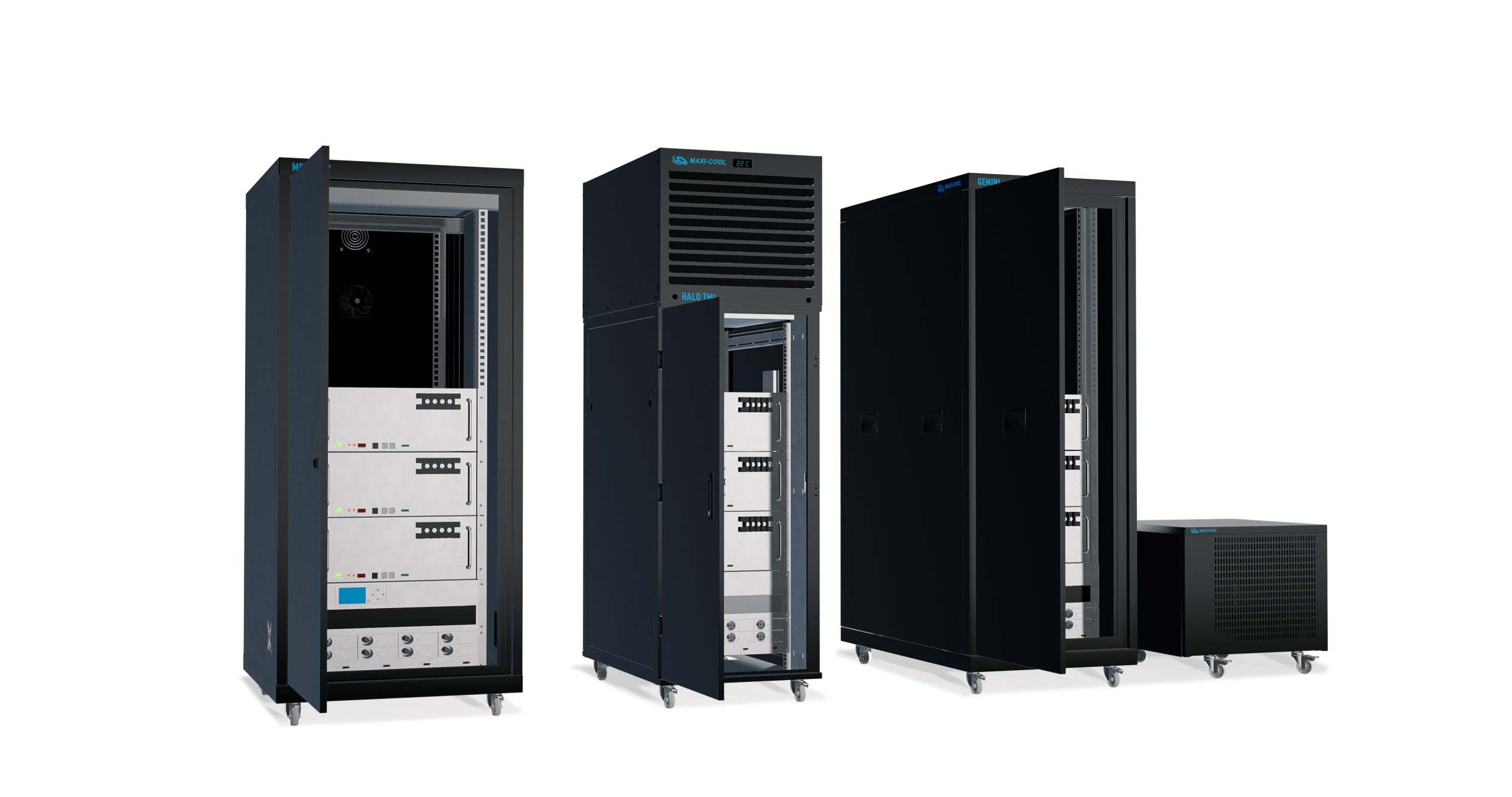
A micro data centre is a self-contained server cabinet that houses servers, storage, networking, power protection, and monitoring. Maxi-Cool microdata centres also feature powerful, efficient cooling systems. These cabinets are located on-site or near users (“at the edge”) and can range from a single 18U cabinet to a bank of cabinets. Examples from Maxi-Cool customers include servers in a law firm that house confidential client data, a dental practice’s imaging system, and a factory’s production-line controllers.
How does local infrastructure improve security?
Locally based micro data centres give businesses data sovereignty and control. As a result, businesses know exactly where sensitive data lives, which helps with UK GDPR and client confidentiality. Businesses have a smaller attack surface with locally held servers, with less data crossing the public internet and allowing sensitive systems to be segmented or kept off it entirely. Micro data centres provide physical security for IT equipment, and lockable cabinets, access logs, and environmental sensors give businesses greater control over their IT. Locally sited server cabinets keep critical operations running during an internet or cloud provider outage, and local backups restore far faster than pulling terabytes back from the cloud after ransomware.
Hybrid IT is a strategic choice.
Micro data centres work alongside cloud services, keeping the most important software and data close to home while using the cloud for large-scale storage. Locally maintained and updated data is always available to businesses, and adequate cooling is critical to operational success. Overheating in local server cabinets isn’t fit for purpose and can cause as many problems as cyber-attacks. Planning a micro data centre, or worried about the one you have? Book a free cooling survey; request a quote today!